Pentarhombs – The Pieces
Pentarhombs – A Puzzle Based on a Rhombus
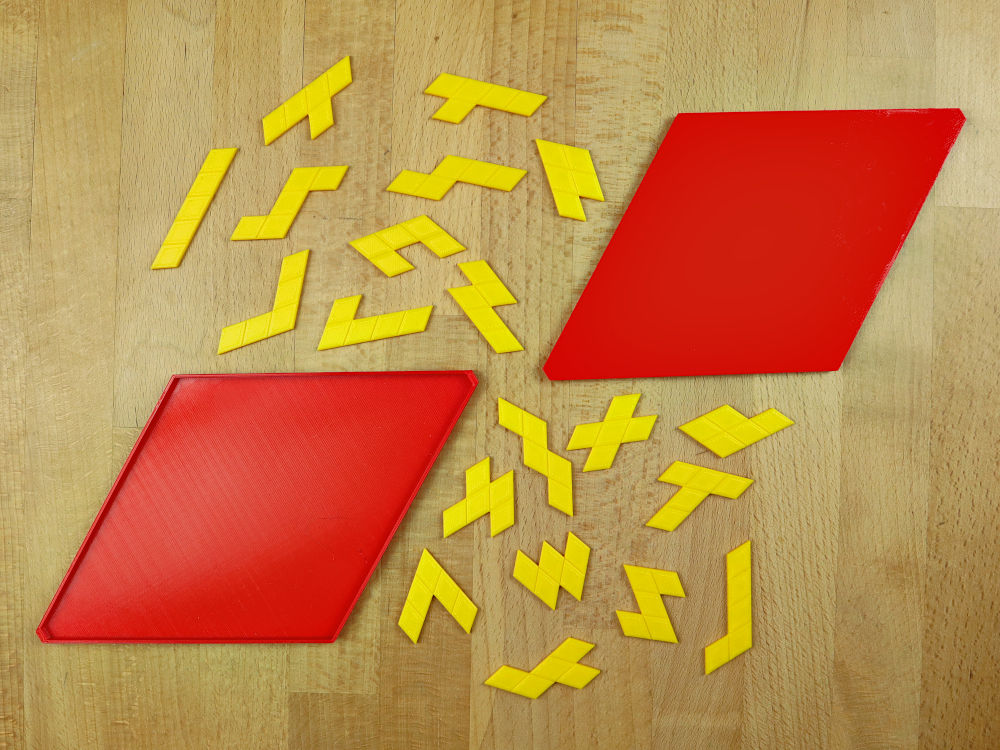
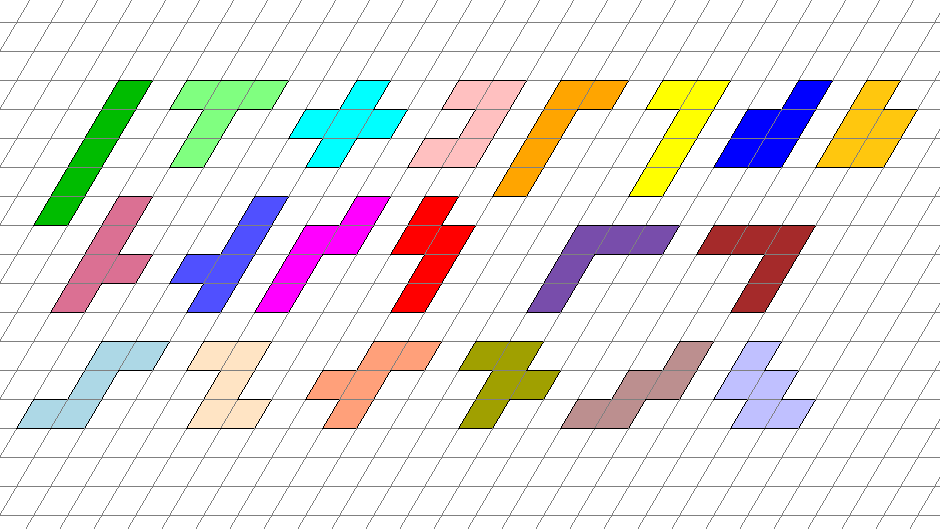
The 20 pentarhombs each consist of five rhombi and belong to the family of polyrhombs. These game pieces are composed of rhombi arranged in a rhombic grid. In contrast to polycubits, the interior angles of the rhombi do not necessarily have to be 60° or 120°.
Pentarhombs and the well-known pentominoes are structurally similar. For the I, T, X, and U pentomino, there is a direct equivalent among the pentarhombs. The remaining eight pentominoes each correspond to two different pentarhombs.
In total, there are: 1 dirhombus, 3 trirhombs, 7 tetrarhombs, 20 pentarhombs, 62 hexarhombs, and 204 heptarhombs.
Pentarhombs-Puzzles
Pentarhombs – Shapes and Symmetries
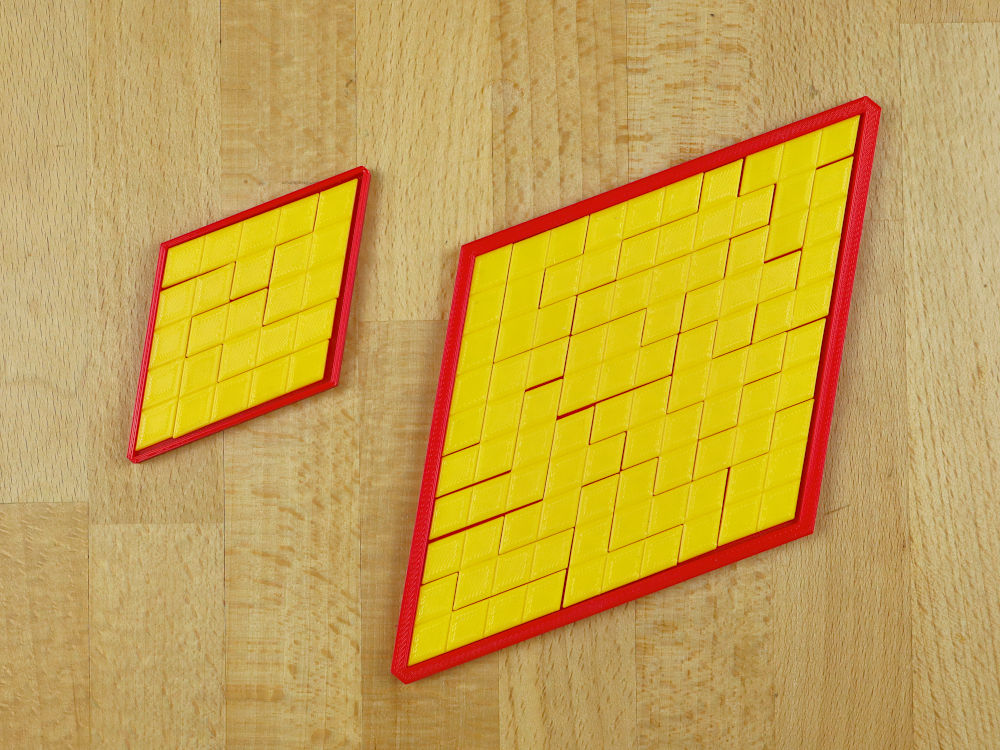
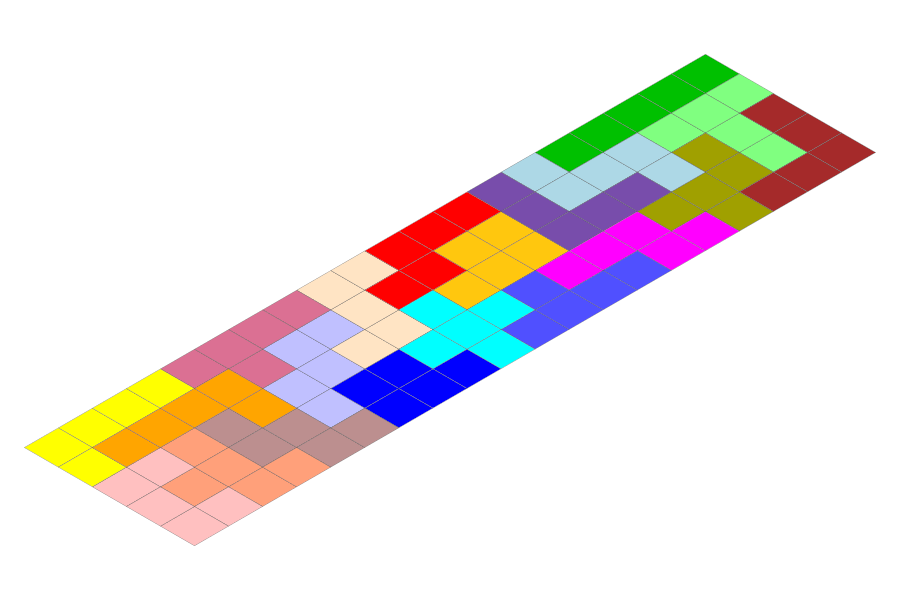
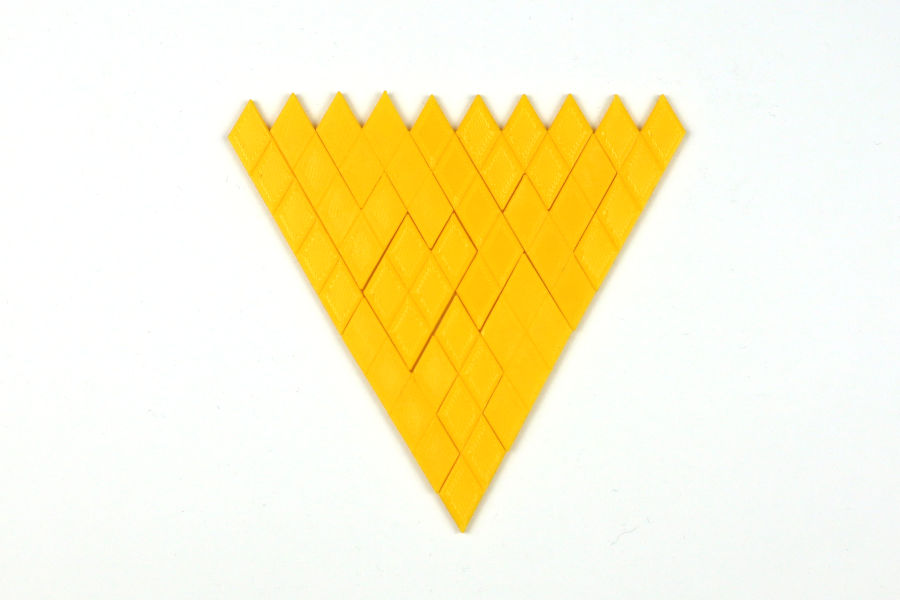
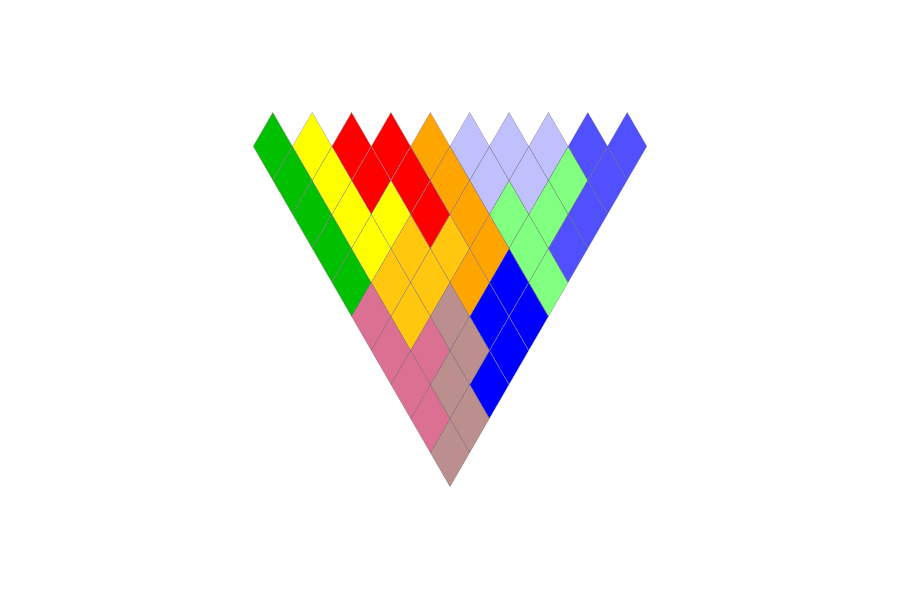
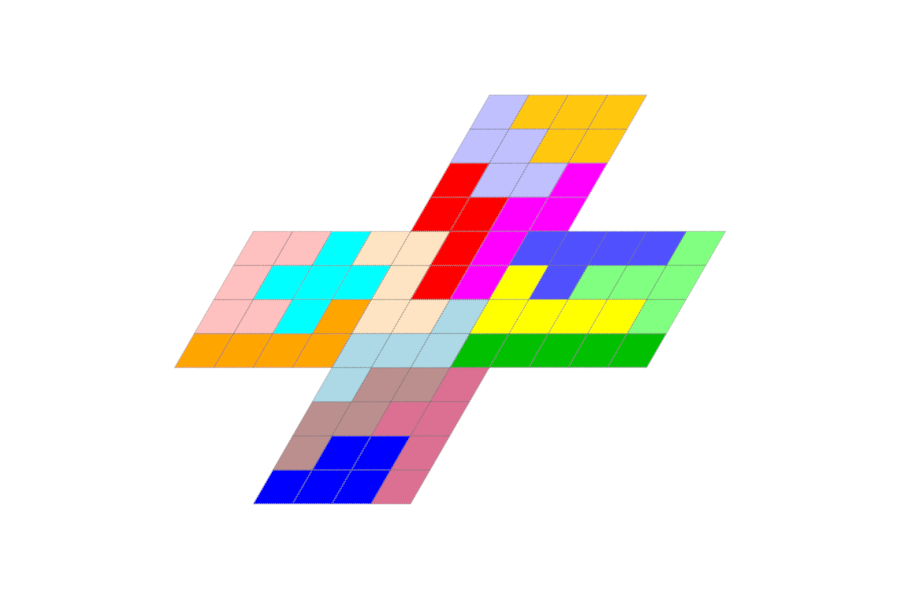
Shapes made from all 20 pentarhombs cover an area of 100 rhombi. This allows the construction of a diamond-shaped figure with edge length 10. A smaller version of the same pattern, with edge length 5, can be formed from only 5 pentarhombs.
The underlying rhombic grid permits shapes with at most two axes of reflection and 2-fold rotational symmetry. Beyond that, there are also more asymmetric shapes featuring only a single axis of reflection or pure 2-fold rotational symmetry without any reflection axes.
The puzzle was developed with support from the PolySolver program.
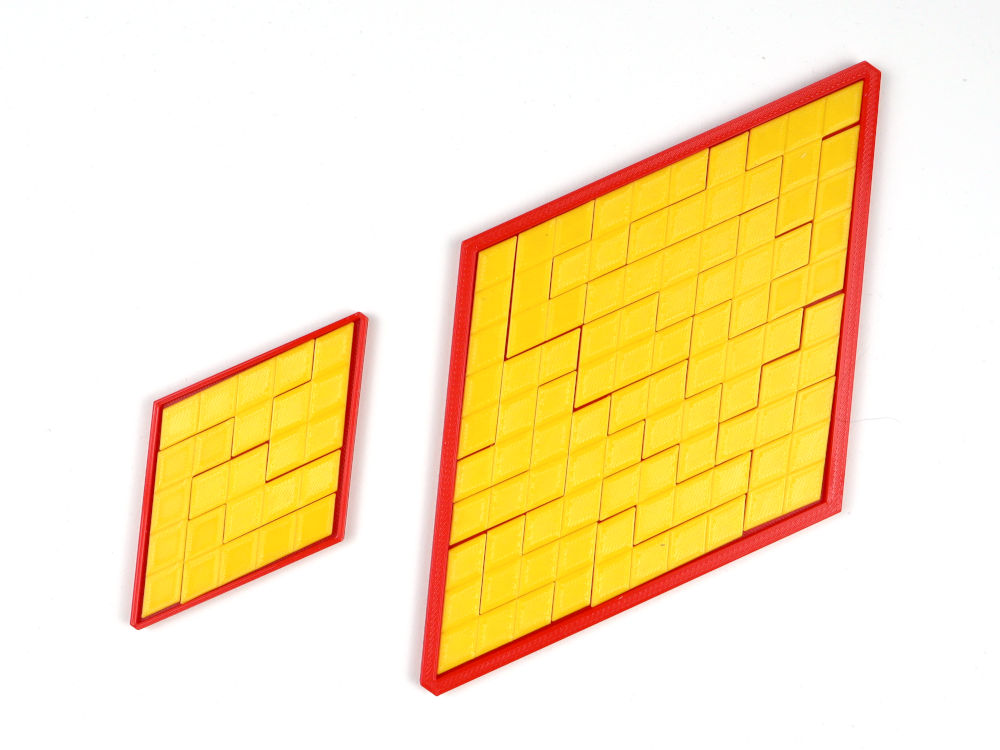
Some Shapes for the Pentarhombs Puzzle
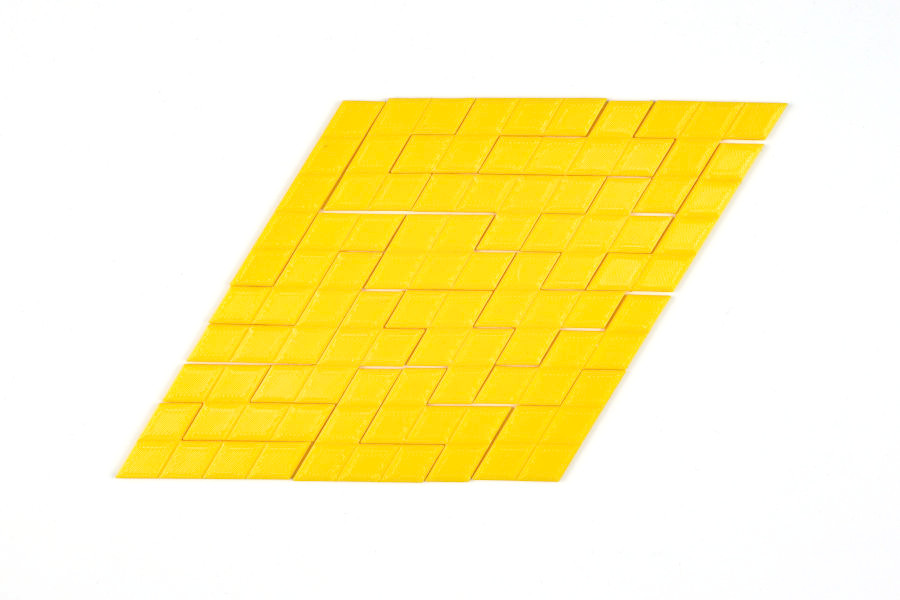
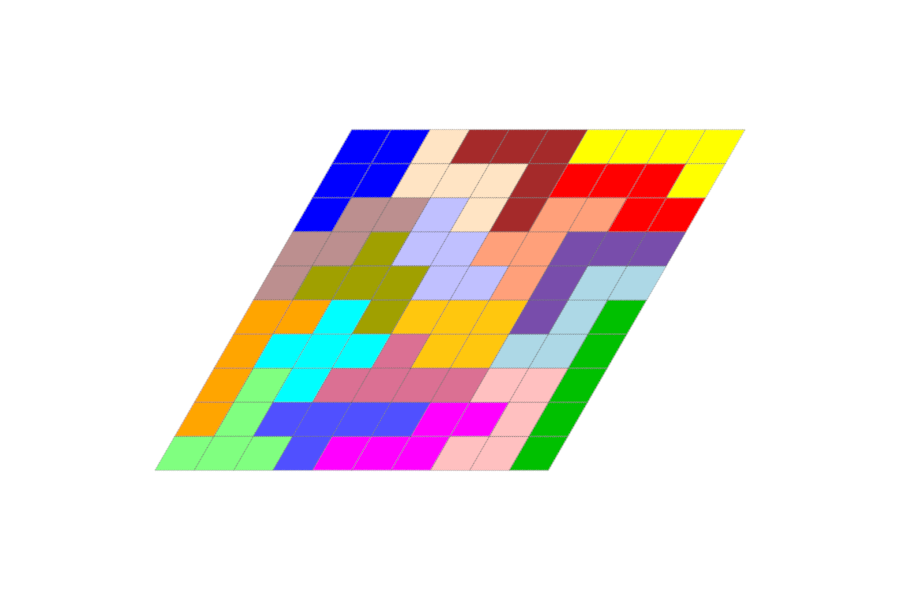
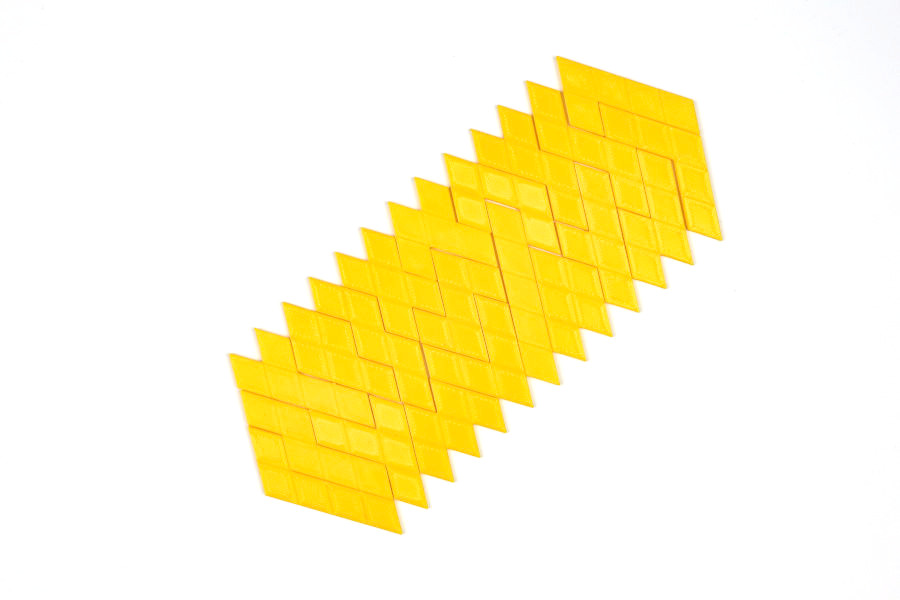

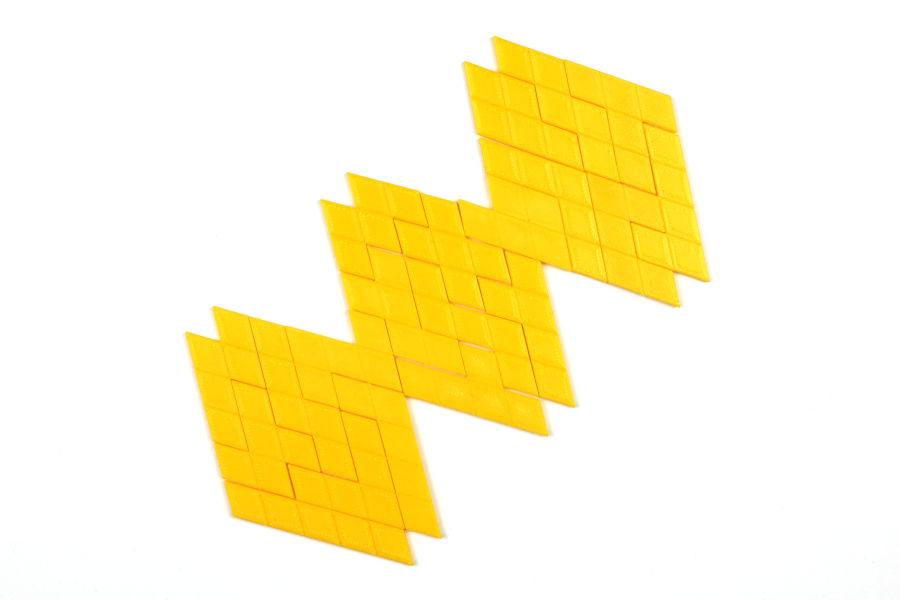
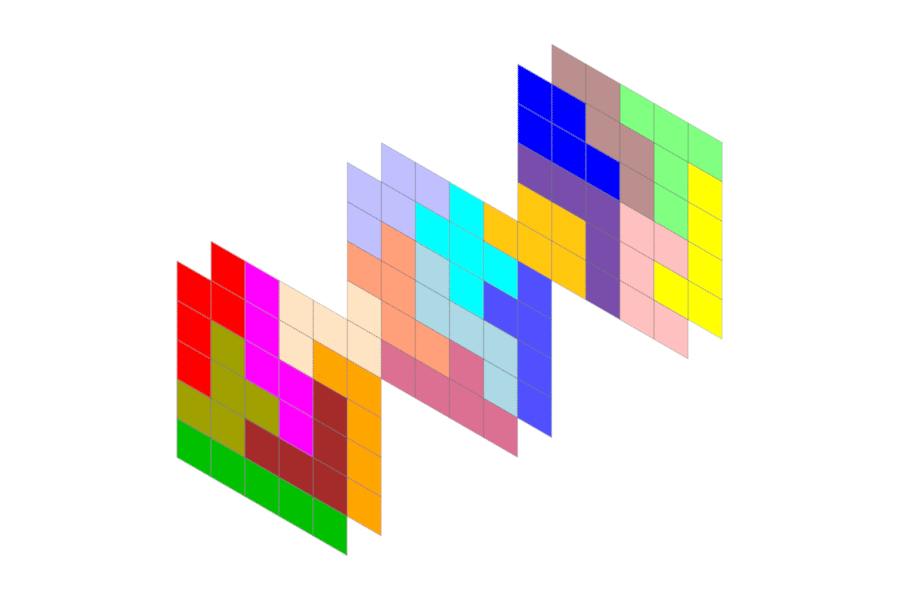
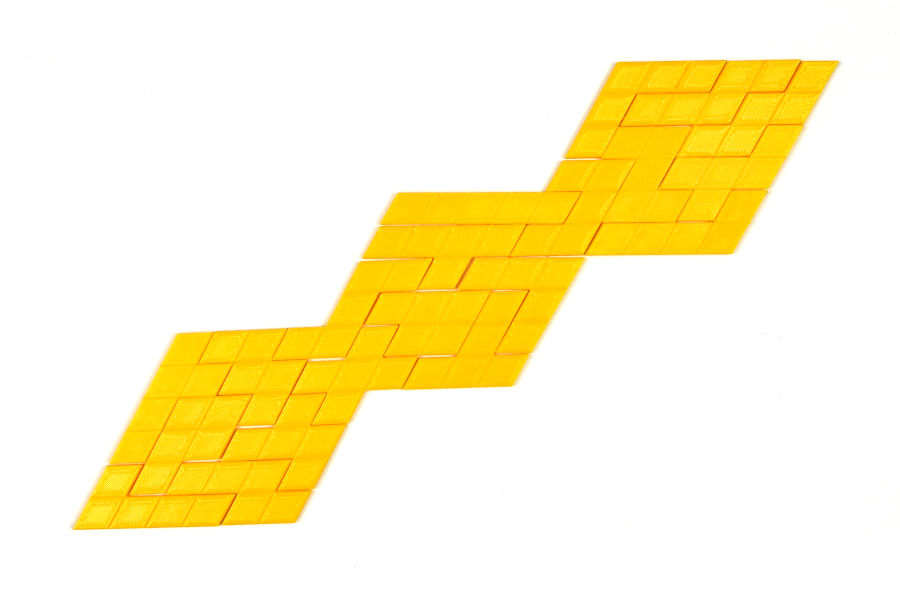
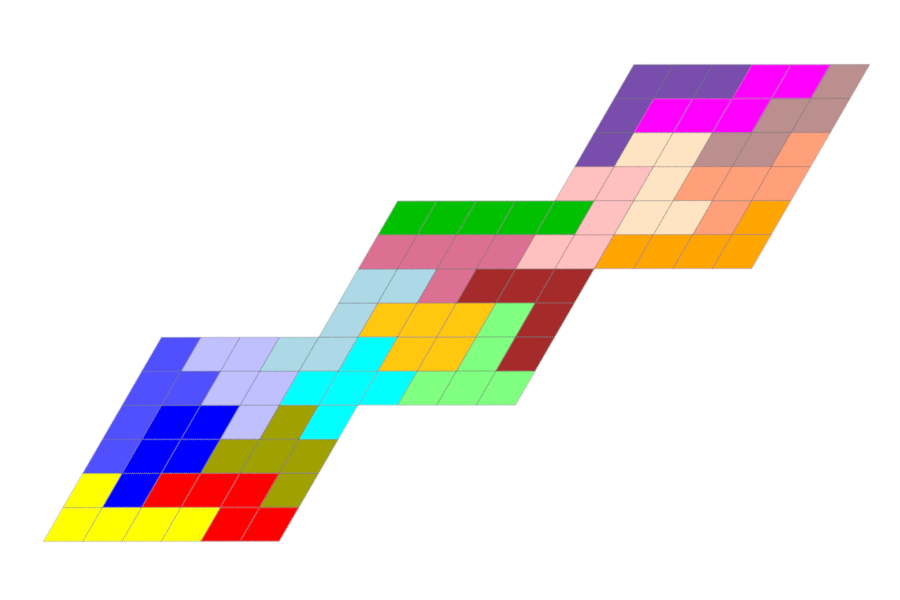
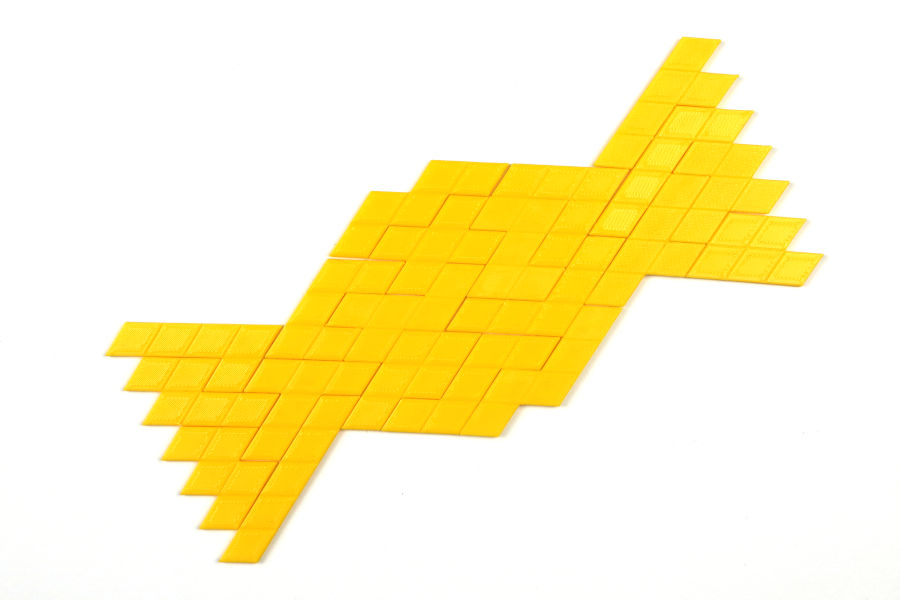
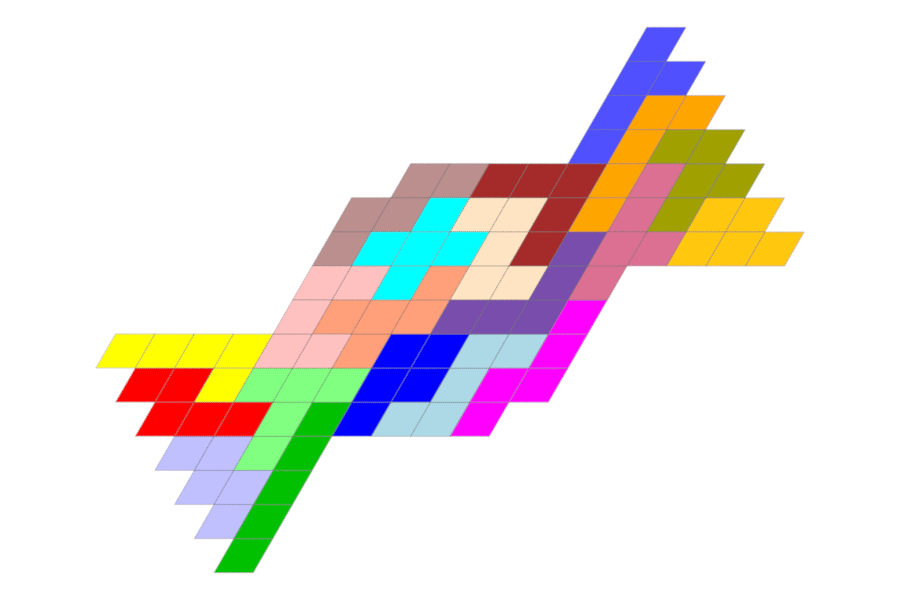
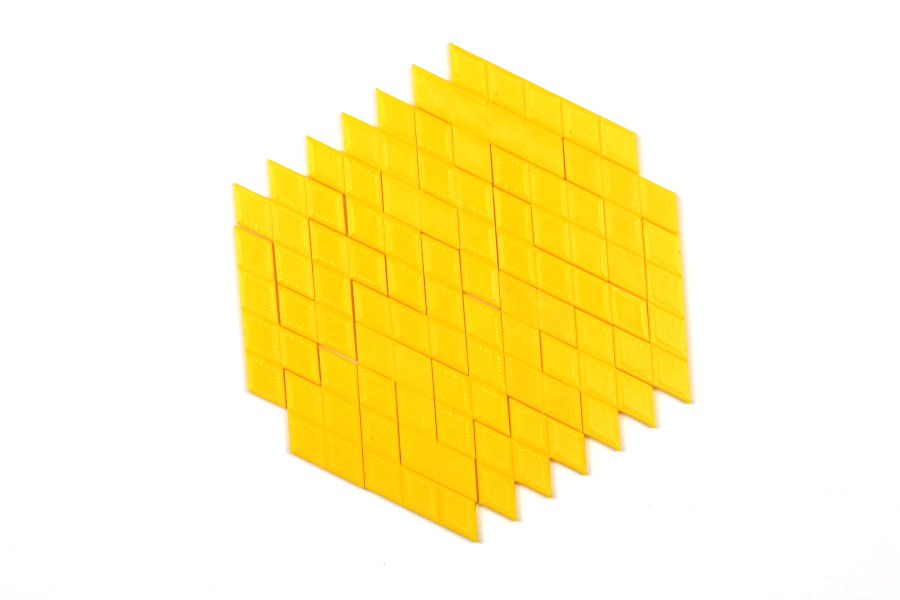

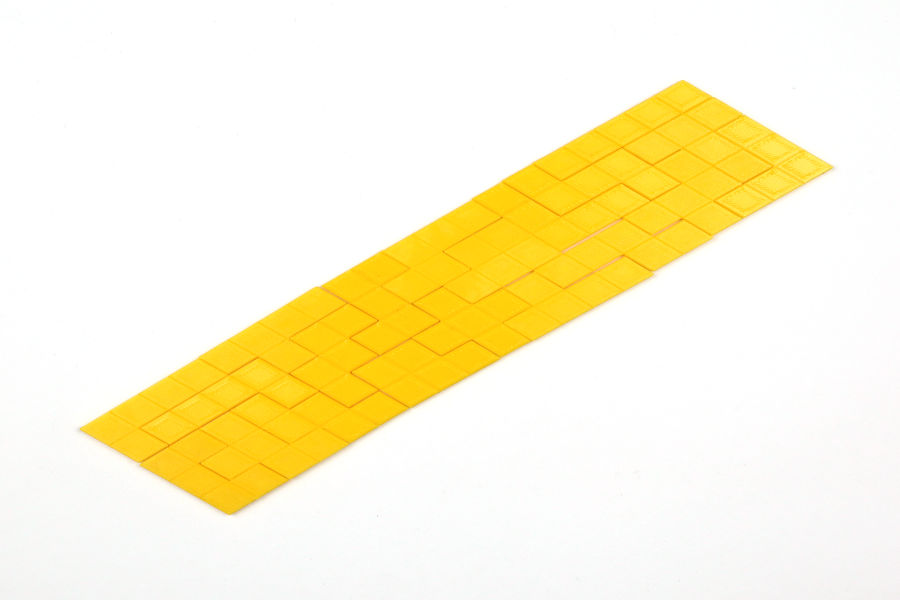
Enlarged Pentarhombs
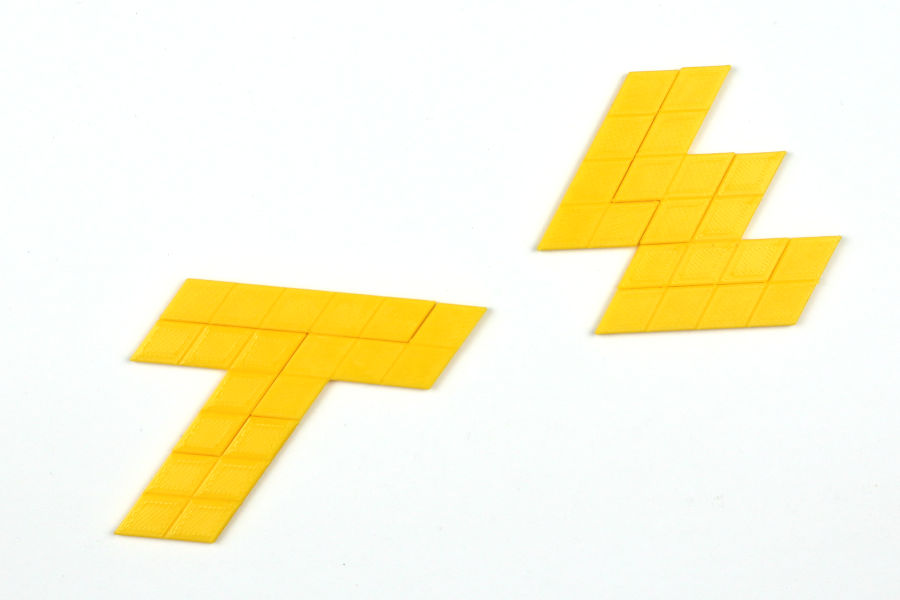
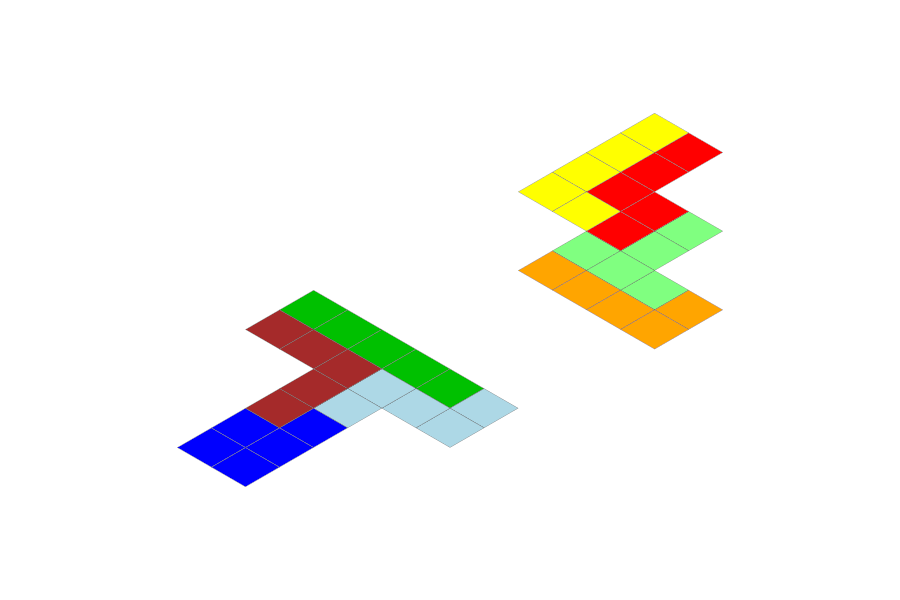
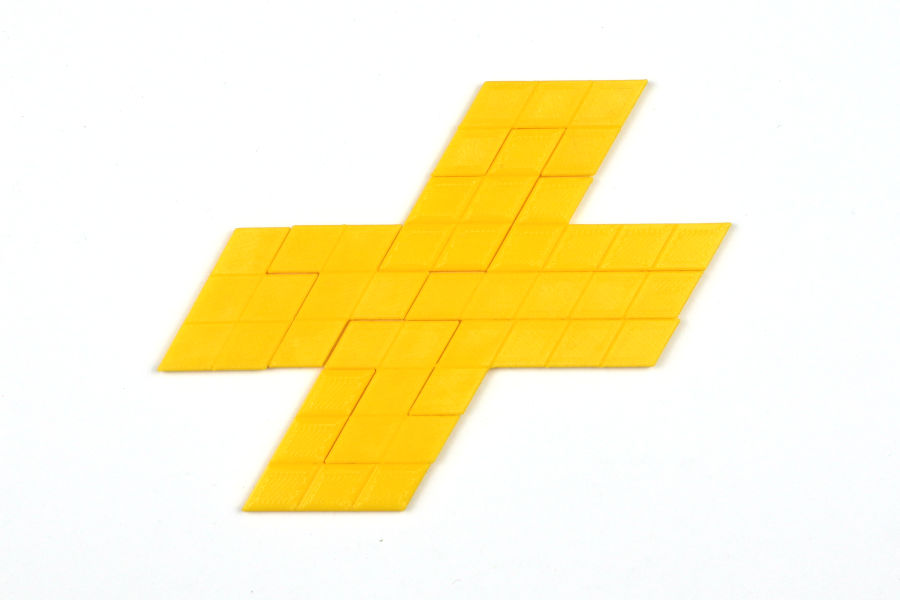
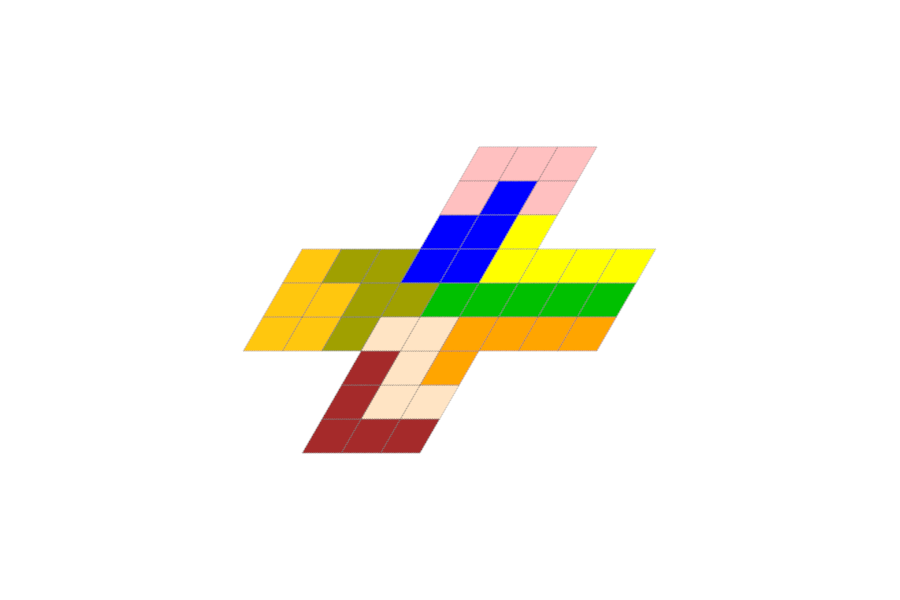
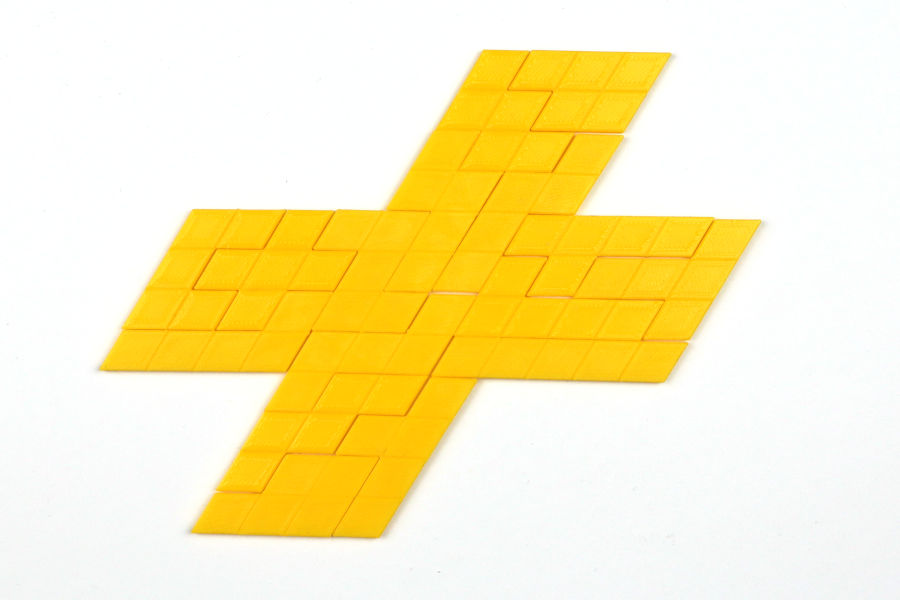
Each pentarhomb shape can be enlarged by combining multiple pieces: to double size using 4 pentarhombs, to triple size using 9, and to quadruple size using 16 pentarhombs. One exception is the X-pentarhombus — no solution exists for constructing its double-size version from 4 pieces.
Resources & Downloads
3D Print Templates
The 3D-print templates consist of the 20 pentarhombs along with one large and one small box.